Many backyard adventurers have found themselves frozen in place during a late-night encounter with a raccoon.
These masked mammals, known for their clever antics and midnight raids on trash cans, sometimes display surprising behaviors when cornered or threatened.
The question of whether raccoons hiss often arises among wildlife enthusiasts, homeowners, and anyone who has experienced an unexpected meeting with these nocturnal creatures.
This blog focuses on the vocal communication methods of raccoons, including their distinctive sounds, the meanings behind these noises, and how to interpret them during wildlife encounters.
Do Raccoons Hiss?
Yes, raccoons do hiss. When feeling threatened or cornered, raccoons produce a distinct hissing sound similar to that of cats. This defensive vocalization serves as a warning to potential predators or threats.
Raccoons use hissing alongside other sounds in their vocal repertoire, including growls, snarls, and high-pitched chatters.
The hissing behavior typically occurs when a raccoon feels its personal space is being invaded or when protecting young kits.
Understanding this vocal signal helps humans identify stressed raccoons, enabling safer distance during encounters.
Why Do Raccoons Hiss?

Raccoons hiss as part of their communication system, especially in stressful or threatening situations.
This vocal behavior helps these animals express their emotional state and send clear signals to potential threats in their environment.
- Fear Response: When raccoons feel trapped or cornered, hissing serves as an instinctive reaction. This sound warns of the threat that the raccoon is frightened but prepared to defend itself if necessary.
- Protecting Young: Mother raccoons become particularly defensive around their kits. The hissing sound warns predators and humans to stay away from their vulnerable offspring.
- Territory Defense: Raccoons may hiss when other animals or humans encroach on their established territory. This vocalization helps them maintain boundaries without physical confrontation.
- Pain or Discomfort: Injured or sick raccoons often hiss when approached. This reaction stems from their increased threat and discomfort when dealing with physical ailments.
- Warning Before Attack: Hissing typically precedes more aggressive behaviors. It serves as a final warning before the raccoon resorts to scratching or biting if the perceived threat doesn’t retreat.
Common Raccoon Sounds and Their Meaning
Raccoons use a diverse range of vocalizations to communicate different needs, emotions, and intentions.
These sounds vary significantly in pitch, volume, and duration, helping these adaptable creatures navigate social interactions and respond to environmental challenges.
| Sound | Description | Meaning |
|---|---|---|
|
Hiss |
A cat-like hissing noise | Warning, fear, defensive stance |
| Chitter | Rapid series of high-pitched sounds | Excitement, socializing, mating calls |
|
Growl |
Low, rumbling sound | Aggression, serious threat warning |
|
Purr |
Soft, vibrating noise | Contentment, typically among kits |
|
Screech |
High-pitched, loud call | Distress, pain, or extreme fear |
|
Whimper |
Soft, plaintive sound | Hunger (mainly from kits to mothers) |
| Bark | Short, sharp sound | Alert to danger, communication with other raccoons |
How to Respond to These Wildlife Signals
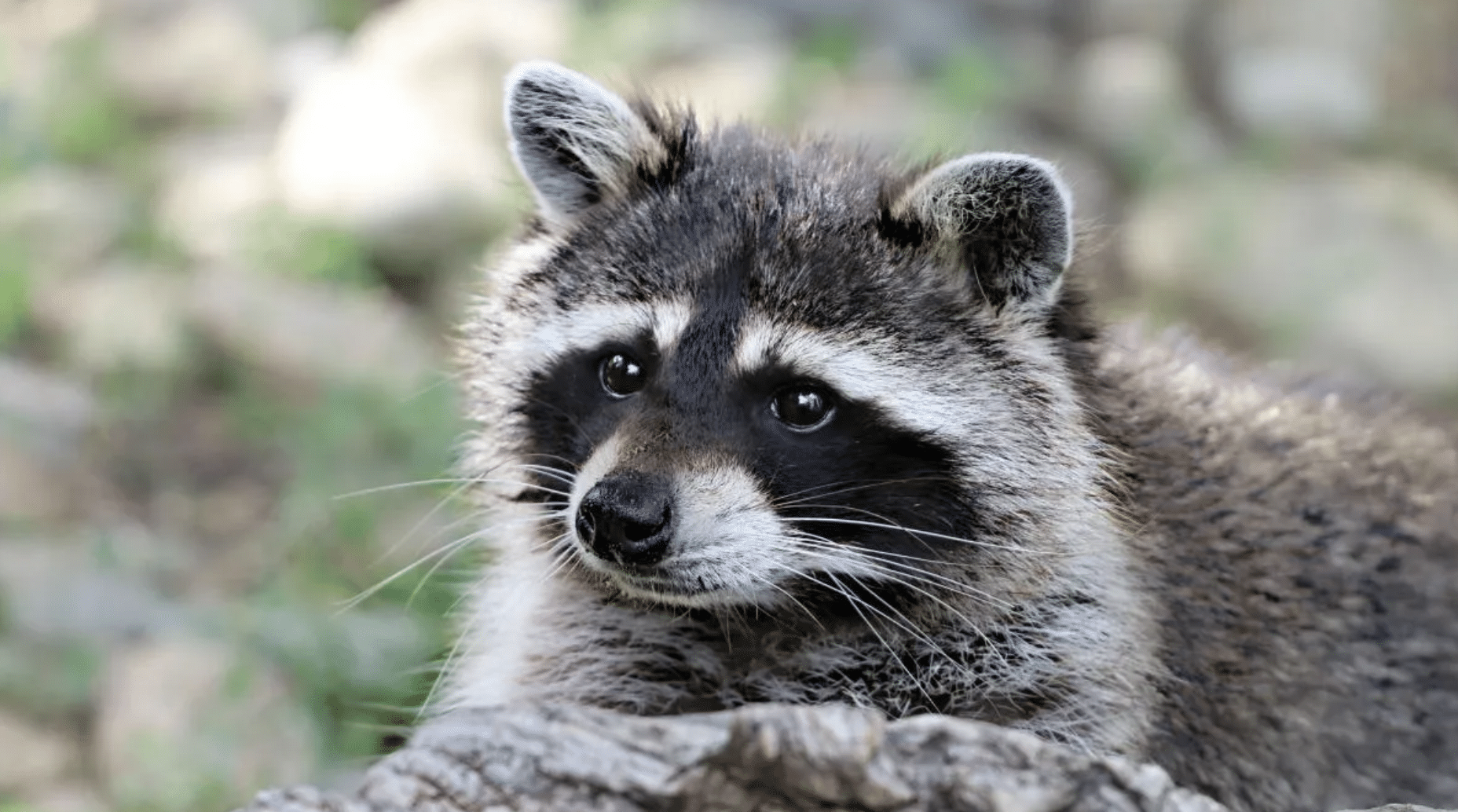
Understanding how to react appropriately when hearing raccoon vocalizations can prevent dangerous encounters and protect both humans and animals.
These practical guidelines help promote safe interactions with raccoons in various settings.
- Maintain a safe distance when you hear hissing or growling, as these sounds indicate the raccoon feels threatened.
- Never approach a chittering raccoon family, as a mother may become defensive of her kits.
- Back away slowly if confronted with aggressive sounds like snarling or growling.
- Avoid making loud noises or sudden movements that might escalate the raccoon’s stress response.
- Keep pets leashed and away from areas where you hear raccoon vocalizations.
- Consider contacting wildlife services if raccoons regularly vocalize near your home, as this may indicate a den nearby.
Conclusion
Understanding raccoon vocalizations provides valuable insights for anyone who encounters these clever mammals in urban or rural settings.
Their hissing, alongside other distinctive sounds, serves as an important communication tool that helps these adaptable creatures survive in diverse environments.
When hearing a raccoon hiss, remember it’s expressing fear or issuing a warning, not necessarily showing aggression.
The best response is to give the animal space and avoid actions that might escalate the situation. By recognizing and respecting these vocal signals, people can coexist more peacefully with raccoons.
For frequent raccoon encounters, learning their sound signals can help predict behavior and promote safer interactions with these interesting but sometimes misunderstood neighbors.